Solar Lights Not Working? Causes, Fixes and How Long They Last
Solar lights dim, flickering or dead? A symptom-by-symptom fix table, how to replace a solar light battery, winter run-time and how long solar lights last.
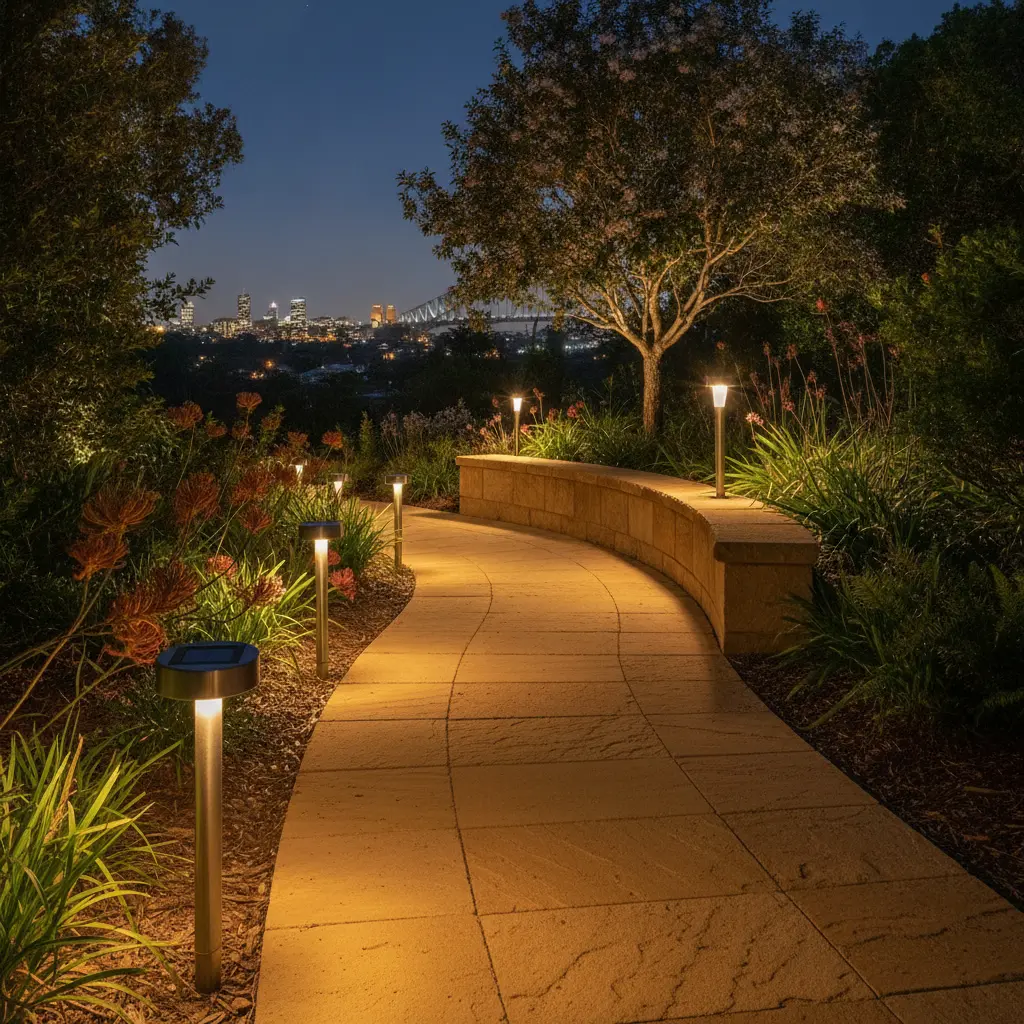
Most solar lights that stop working have one of five problems: the switch is off, the rechargeable battery is flat or worn out, the panel is dirty or shaded, the light sensor is being fooled by another light, or water has got inside. Charge a new light for a full sunny day before judging it, then work through the symptom table below.
- First charge: give new lights a full day of direct sun, switched on, before deciding they are faulty.
- Sun: panels need roughly 6–8 hours of direct sun for a full charge.
- Batteries: rechargeable cells (commonly AA or 18650 size, NiMH or Li-ion) usually need replacing after a couple of years; the LEDs generally last much longer.
- Weather: IP65 means dust-tight and protected against water jets, not safe to sit in water.
Solar lights not working: symptom, cause and fix
| Symptom | Likely cause | Fix |
|---|---|---|
| New light will not turn on at all | Switch off, battery pull-tab still in place, or not yet charged | Remove any tab, switch on, charge for a full sunny day, then test by covering the panel |
| Light is dim | Panel dirty, shaded or clouded; battery ageing | Clean the panel, move it into sun, replace the battery if cleaning does not help |
| Runs only a few hours | Short charge (shade, winter, cloudy run) or a worn battery | Check the sun the spot gets; after two or more years, replace the battery |
| Flickering | Battery nearly flat, loose or corroded battery contact, or the sensor seeing a nearby light | Charge fully, clean the contacts, move away from other lights |
| On during the day | Sensor covered, shaded or faulty; light in a dark corner | Clean the panel and sensor, move to an open spot; if it persists, the sensor has failed |
| Stopped after rain | Water inside the housing or on the contacts | Open, dry out for a day or two, clean contacts, check seals; avoid low spots |
| Some lights work, others do not | Different sun exposure along the row, or one failed battery | Swap a working and non-working light; if the problem moves, it is the light, not the spot |
| Fine in summer, weak in winter | Shorter days, lower sun, longer shadows | Normal; reposition panels or trim plants that now shade them |
Why won't my new solar lights turn on?
Most "dead on arrival" solar lights are not faulty. Check these in order:
- The switch. Many lights have a small on/off or mode switch under the panel or on the base. Lights are often shipped switched off.
- The pull-tab. Some lights have a plastic strip between the battery and its contact to stop it draining in transit. Pull it out.
- The first charge. Batteries often arrive partly charged or flat. Leave the light switched on in full sun for a whole day before you judge it. A light charged on an overcast afternoon will disappoint.
- The sensor test. In daylight, cover the panel completely with your hand or a dark cloth. If the light comes on, the light and battery are working and it is simply waiting for dark.
- The mode. Spotlights with a motion mode, such as our Solar Landscape Spotlight, may only light up when something moves. Check which mode is selected.
Is the solar panel getting enough sun?
Charge is the root of most solar complaints. As a guide, a panel needs roughly 6–8 hours of direct sun to charge fully. Bright shade is not the same as sun, and a panel that sees sky only in the early morning will not fill the battery.
- Shade that moved. Plants grow and the sun's path changes with the season. A spot that was sunny when you installed in summer may sit in a fence shadow by June.
- Eaves and pergolas. Lights on posts under a roof often charge poorly. Move them beyond the roofline. Our guide to solar deck and in-ground lights covers placement under eaves.
- Dirty panels. Dust, pollen, bird droppings, sprinkler residue and pool splash all cut charge. Wipe the panel with a damp cloth and a little mild detergent every few weeks.
- Buried panels. In-ground disk lights get covered by mulch, leaves and grass. Keep the top clear.
- Clouded plastic. Older plastic panels can turn hazy with UV exposure. If cleaning does not clear it, the light is near the end of its life.
Is another light confusing the sensor?
Solar lights decide it is night when the light falling on them drops. In many designs the panel itself is the sensor. A street light, a porch light, a neighbour's floodlight or even another solar light pointing at the panel can keep it switched off or make it flicker on and off. Move the light, or turn it so the panel faces away from the other source.
How do you replace a solar light battery?
When a light that used to run well now fades early even after sunny days, the rechargeable battery is the usual culprit. Replacing it is often enough to bring the light back.
- Open the light. Most have a battery cover held by small screws under the panel or in the base. Some lights have sealed batteries; check the instructions before forcing anything.
- Read the old cell. Note the size (AA, AAA, 18650 and so on), the chemistry (NiMH, NiCd or Li-ion) and the voltage printed on it.
- Match type and voltage. Replace like with like. A NiMH cell is typically 1.2 V and a Li-ion 18650 typically 3.6–3.7 V; they are not interchangeable. Never use ordinary alkaline batteries, which are not rechargeable.
- Clean the contacts. Wipe away any green or white corrosion with a dry cloth or fine abrasive before fitting the new cell.
- Reseal and recharge. Check the seal or gasket sits properly, close the cover, then give the light a full sunny day before testing.
Dispose of old rechargeable batteries through a battery recycling drop-off rather than household rubbish.
Solar lights stopped working after rain?
Lights rated IP65 are dust-tight and protected against water jets from any direction, which covers rain and sprinklers. IP65 does not cover sitting in water. Lights in low spots, under downpipes or in disks set below the surrounding soil can end up partly submerged and let water in. Open the light, dry it out for a day or two, clean any corrosion off the contacts, check the seal and refit it on higher ground. Water marks or corrosion on the circuit board usually mean the light is finished.
Do solar lights work in winter?
Yes, but for fewer hours. In winter the days are shorter, the sun sits lower in the northern sky and shadows are longer, so panels collect less energy while the nights are longer. A run of overcast days compounds it. Shorter run-times in June and July are normal, not a fault. To get the most from winter sun, move lights out of shadows cast by fences and the house, keep panels clean, and tilt adjustable panels towards the north where the design allows.
How long do solar lights last?
The parts age at different rates. LEDs generally outlast everything else in the light. Rechargeable batteries typically need replacing after a couple of years, depending on the cell, the climate and how deeply they are drained each night. Plastic panels and lenses can cloud with UV over time, and housings vary with materials: stainless steel and well-sealed bodies tend to outlast thin plastic. A light with a replaceable battery and a sound housing can keep going for several battery changes. Our outdoor solar lighting buyer's guide covers what to look for so lights last, and our comparison of solar vs wired outdoor lighting helps if solar is not suited to a spot at all.
Replace or repair? Next steps with Stone Front
If cleaning, repositioning and a new battery do not revive a light, it is time to replace it. Our range is IP65 rated with stainless steel options such as the Stainless Solar Wall & Fence Light and the Solar In-Ground Disk Light. Browse the full lighting range to compare fittings.
Frequently Asked Questions
Can I use normal AA batteries in solar lights?
No. Ordinary alkaline AA batteries are not rechargeable, so the panel cannot charge them and they may leak. Use a rechargeable cell of the same size, chemistry and voltage as the original, which in AA and AAA solar lights is usually a 1.2 V NiMH cell.
Should I switch solar lights off to charge them?
Check the instructions, because designs differ: some charge with the switch on or off, and a few only charge when switched on. After a long run of cloudy days, switching a light off for a sunny day or two can let the battery refill without being drained overnight.
Do solar lights work on cloudy days?
They still charge under cloud, but far less than in direct sun. One overcast day usually means a shorter evening; several in a row can leave the battery too low to light at all. Run-time recovers after a few sunny days, so wait before deciding a light is faulty.
How do I clean a cloudy solar panel?
Wipe it with a soft cloth and warm water with a little mild detergent, then rinse and dry. Avoid abrasive pads and solvents on plastic panels. If the haze is inside the panel or the plastic has yellowed from UV, cleaning will not fix it and the light is near the end of its life.
Can you leave solar lights outside all year?
Yes. IP65 lights are made to stay outdoors through rain and sun all year. Expect shorter run-times in winter, keep them out of low spots where water pools, and give panels a wipe each season so they keep charging well.